
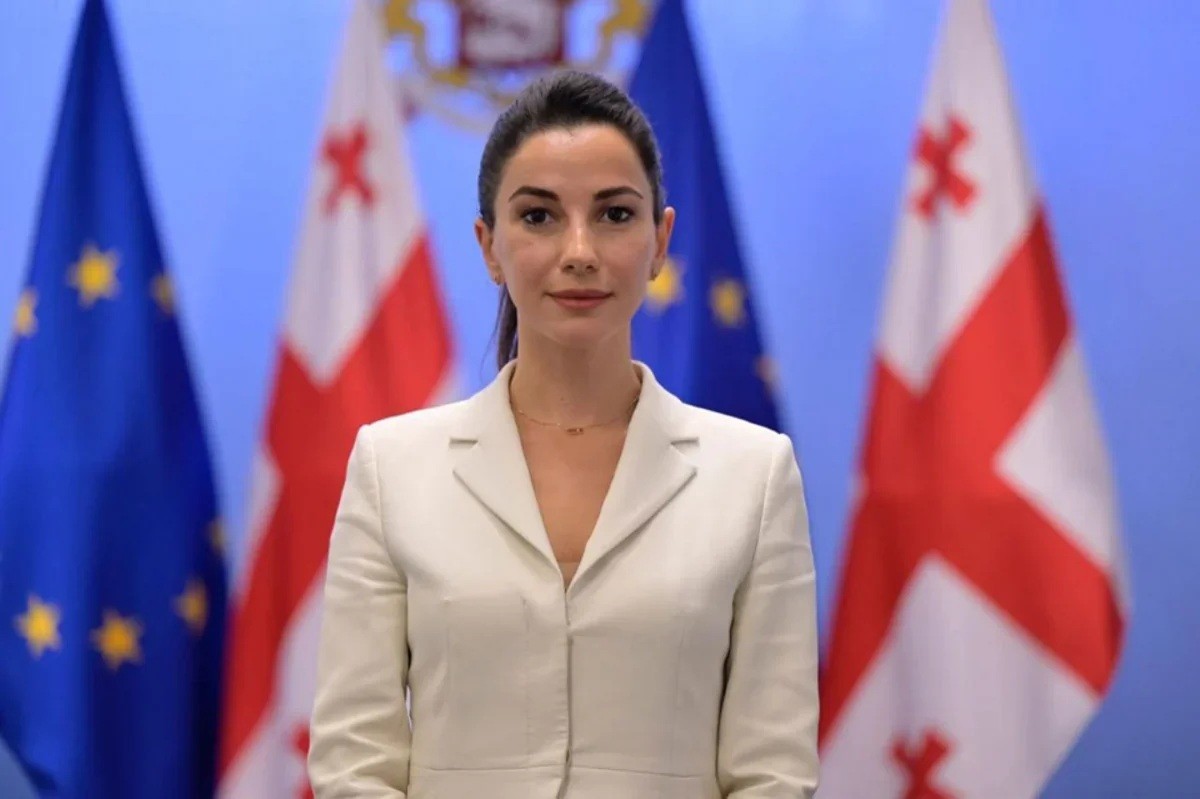
The "Caspian‑Black Sea‑Europe Green Energy Corridor" project creates a solid foundation for deeper regional cooperation, energy connectivity, and strengthening the resilience of energy systems, Report's Georgian bureau informs, citing Georgian Minister of Economy and Sustainable Development Mariam Kvrivishvili at the 12th Ministerial Meeting under the Strategic Partnership Agreement on the Development and Transmission of Green Energy in Baku.
"This reflects our shared commitment to building a more secure and sustainable energy future," Kvrivishvili emphasised.
According to her, the Georgian government has identified the development of the renewable energy sector as a priority and is accelerating investments in wind and solar energy projects by creating a transparent and favourable regulatory environment for investors. At the same time, the expansion of hydroelectric power plants remains a focus in the country.
The Minister noted that Georgia's main goals are to increase domestic renewable electricity generation, strengthen energy security, and create new opportunities for exporting clean electricity to regional energy markets.
She added that Georgia is ready to continue cooperation with partner countries and all stakeholders to fulfil its commitments under the quadrilateral agreement and ensure the project's successful progress.
It should be noted that the "Caspian‑Black Sea‑Europe Green Energy Corridor" project, jointly implemented by Azerbaijan, Georgia, Romania, and Hungary, envisages the transmission of renewable energy produced in the Caspian basin to Europe via a cable planned to be laid along the Black Sea bed, expanding energy cooperation and strengthening regional energy security.